Book Review : HBR - Emotional Intelligence - Authentic Leadership
Alie Fikry
1/9/20261 min read
For a long time, I believed leadership meant looking a certain way, especially in high-pressure operational environments.
When you’re coordinating large teams, managing shifting scopes, and making decisions that affect dozens of people, you quickly learn that uncertainty is not something you can show too openly. At least, that’s what I used to think.
Authentic Leadership challenged that mindset.
This book reframes leadership not as a personality trait, but as a continuous process of becoming. That resonated with me deeply because in real operations, leadership rarely feels neat or finished. You grow into it. Sometimes awkwardly. Sometimes uncomfortably.
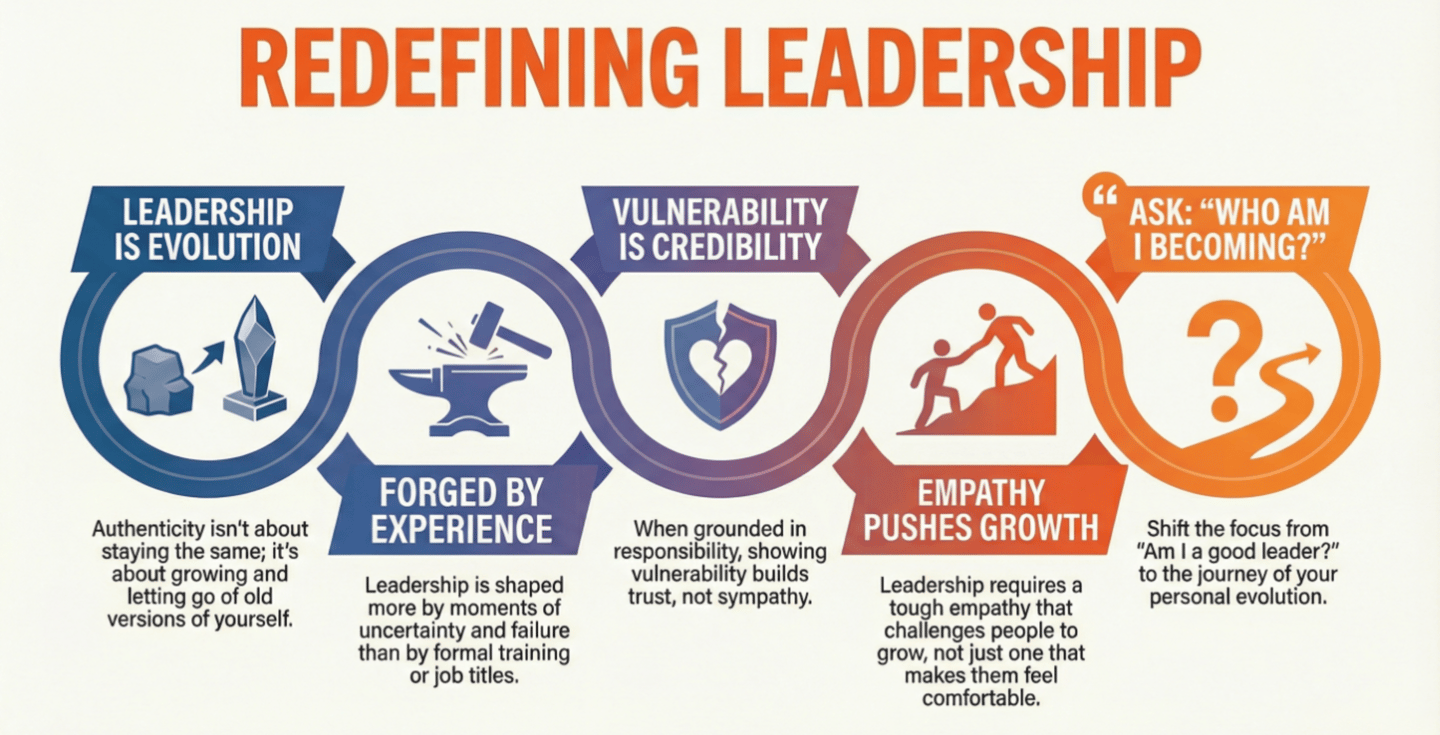
One idea that stood out is that authenticity isn’t about staying the same. It’s about evolving.
In my experience, stepping into bigger responsibilities often meant letting go of old versions of myself, how I communicated, how I made decisions, and how I handled pressure. Growth didn’t always feel “natural.” But that discomfort wasn’t inauthentic. It was necessary.
Another powerful insight from the book: leadership is shaped more by life experience than by formal training.
Not by titles.
Not by job descriptions.
But in moments of uncertainty, failure, and responsibility.
That aligns with what I’ve seen firsthand: authentic leadership is forged in messy situations, not perfect ones.
The book also reframes vulnerability, not as a weakness, but as credibility. When grounded in responsibility, vulnerability builds trust, not sympathy.
And finally, empathy. Not the soft kind, but the tough kind. The kind that pushes people to grow, not just feel comfortable.
This book reminded me that leadership is not about being a finished product.
It’s about evolution.
If leadership is a journey, not a destination, then maybe the better question isn’t:
“Am I a good leader?”
But:
“Who am I becoming?”